

Uppsala University in cooperation with the Swedish Defence College and the IACL
May 4-5, 2026, Uppsala, Sweden
Roundtable subject matter
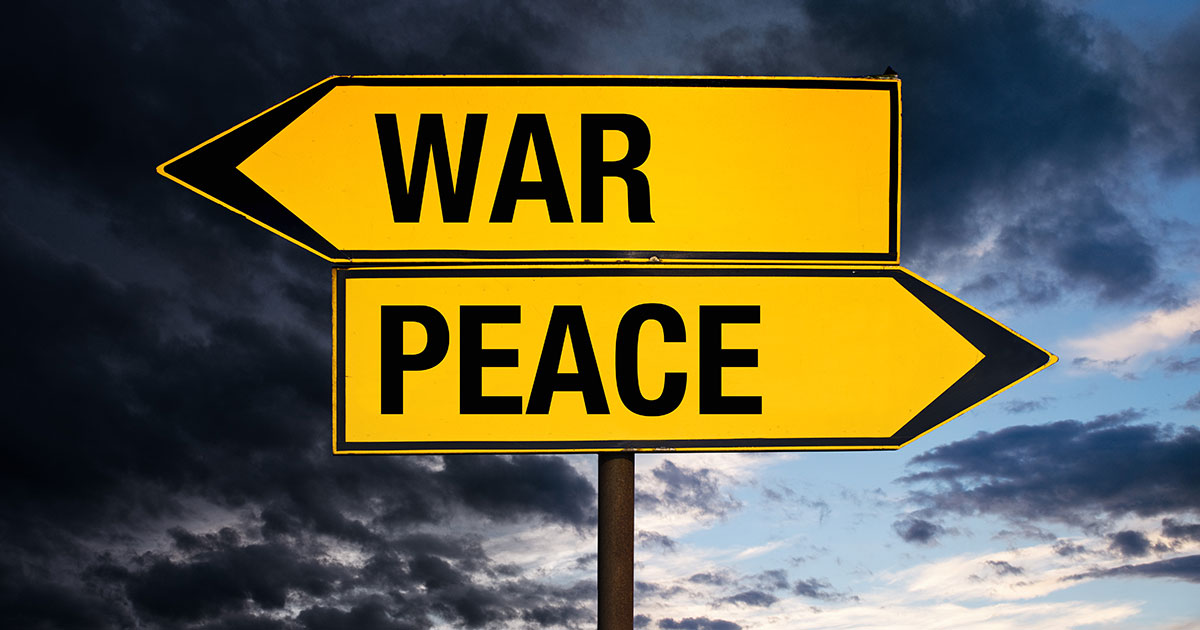
Legal systems frequently regulate peacetime emergencies and wars in separate ways. Peace is often viewed as the normal situation, whereby war sorts under a separate legal framework with distinct differences in for instance mandates for use of force and delegations in levels for decision-making. This compartmentalized view on peace and war emphasizes a need to define under what regulatory framework each crisis is to be handled. Although many states share the view that peace and war are regulated in different and distinct ways, they tend to differ when it comes to defining how peace-time emergencies and war respectively are regulated. This round table aims to explore constitutional challenges emanating from hybrid warfare threats like influence operations, lawfare, sabotage and cyberattacks. Are there differences and similarities as to how states view, handle and regulate peace time emergencies and war in the current security environment?
Eligibility and topics to be addressed
Submissions are invited from senior and junior scholars in English or French.
We especially invite junior scholars who are PhD candidates or junior scholars within seven years of completion of their PhD (or equivalent degree) to submit proposals for panel nr. 3 on the subject New technology and rule of law in times of emergency and war
In times of emergency and war, the rapid deployment of new technologies - such as artificial intelligence, surveillance systems, cyber operations, and autonomous weapons - poses significant challenges to the rule of law. While these technologies can enhance security, coordination, and decision-making processes, they also risk undermining legal norms, human rights, and accountability when used without adequate oversight. This panel explores the complex interplay between technological innovation and legal frameworks in times of crisis, examining if, how and to what extent existing laws and constitutions adapt to these innovations. The panel reflects on the challenges to find a balanced approach that safeguards democratic principles and international legal standards, even under exceptional circumstances, without compromising efficiency, and to find and promote mechanisms to ensure transparency, proportionality, and legal compliance in the use of new technologies during emergencies and armed conflicts.
Within the frame of the conference subject-matter, we welcome proposals from senior scholars addressing the topics of primarily panel nr. 1, 2 and 4.
Abstract submission
Applicants are required to submit their CV and abstracts in English or French (not exceeding 500 words) by February 1, 2026 to
Please use “RT IACL Abstract” as the subject line of your e-mail. Notifications will be sent out by March 1, 2026.
Cost, travel and accommodation
There is no fee for submitting papers. Selected speakers and participants bear their own travel and accommodation costs. Coffee and lunch will be provided during the Roundtable.