IACL-AIDC.ORG
The International Association of Constitutional Law || l'Association Internationale de Droit Constitutionnel
Select your language


- Details
The Chancellery of the Sejm of the Republic of Poland
in cooperation with
the International Association of Constitutional Law (IACL-AIDC)
Warsaw Roundtable (WRT)
Parliamentarism and Electoral Systems in the 21st Century
Warsaw, 23–24 November 2026
CALL FOR PAPERS
1. Conference subject-matter
It is impossible to envision a modern democratic system without a properly functioning parliament. As a collegial body, the parliament not only embodies the legislative authority, but also serves as a vital channel of citizen representation. Indirect exercise of sovereign power through elected representatives remains a cornerstone of democratic governance. Ensuring political representation that realistically reflects the diversity of societal views is essential for legitimizing legislative authority – and this process begins with the electoral system.

- Details
5-6 June 2026
The Istanbul Bar Association and the Ankara University Faculty of Law
Istanbul, Türkiye
Conference subject-matter
Global ecological challenges, such as climate change, biodiversity loss, transboundary pollution, and freshwater depletion, ecosystem collapse, and widespread environmental degradation, are reshaping the political and legal landscape of our time. These interconnected ecological issues operate as structural forces that transform societies, strain public institutions, and challenge the foundational normative and institutional principles on which constitutional democracies rely.
- Details
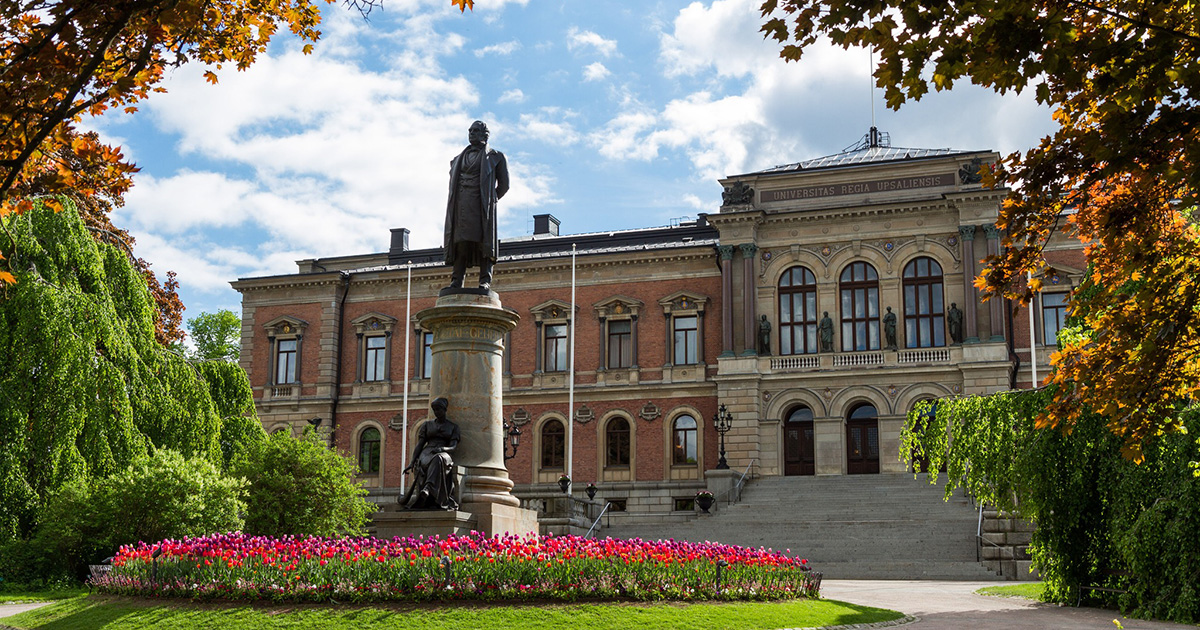
Jointly organised by: Uppsala University and the Swedish Defence University,
together with the IACL
Venue: Uppsala university main building, hall IX
May 4-5, 2026
Legal systems frequently regulate peacetime emergencies and wars in separate ways. Peace is often viewed as the normal situation, whereby war sorts under a separate legal framework with distinct differences in for instance mandates for use of force and delegations in levels for decision-making. This compartmentalised view on peace and war emphasises a need to define under what regulatory framework each crisis is to be handled. Although many states share the view that peace and war are regulated in different and distinct ways, they tend to differ when it comes to defining how peace-time emergencies and war respectively are regulated.
- Details
Uppsala University in cooperation with the Swedish Defence College and the IACL
May 4-5, 2026, Uppsala, Sweden
Roundtable subject matter
Legal systems frequently regulate peacetime emergencies and wars in separate ways. Peace is often viewed as the normal situation, whereby war sorts under a separate legal framework with distinct differences in for instance mandates for use of force and delegations in levels for decision-making. This compartmentalized view on peace and war emphasizes a need to define under what regulatory framework each crisis is to be handled. Although many states share the view that peace and war are regulated in different and distinct ways, they tend to differ when it comes to defining how peace-time emergencies and war respectively are regulated. This round table aims to explore constitutional challenges emanating from hybrid warfare threats like influence operations, lawfare, sabotage and cyberattacks. Are there differences and similarities as to how states view, handle and regulate peace time emergencies and war in the current security environment?

- Details
Envisioning the Future of Human Rights-Strengthening Human Rights through Empowerment and Solidarity-
Tokyo, Japan 8 -9 December 2025
Date
Dec 8(Mon) –9 (Tue), 2025 One and a half days
Opening: Dec 8, 13:00 / Closing: Dec 9, 17:40
Venue
Meiji University Global Hall, Global Front Building Tokyo, Japan (Google Maps)
Address: 2-1-23 Kanda-Surugadai, Chiyoda-ku
Topics
Indigenous People/ Gender /
AI& Vulnerable Groups

- Details
The International Association of Constitutional Law (IACL-AIDC) is pleased to announce its Junior Scholars Forum and the “Foro Iberoamericano de Jóvenes Constitucionalistas”, to be held online and hosted by the UNAM Institute for Legal Research and the Iberoamerican Institute of Constitutional Law on March 4, 6, 11, 13 and 18, 2026.